What Children Carry That Even Schools and Parents Rarely See
SINGHANIA SCHOOL
What Children Carry That Even Schools and Parents Rarely See
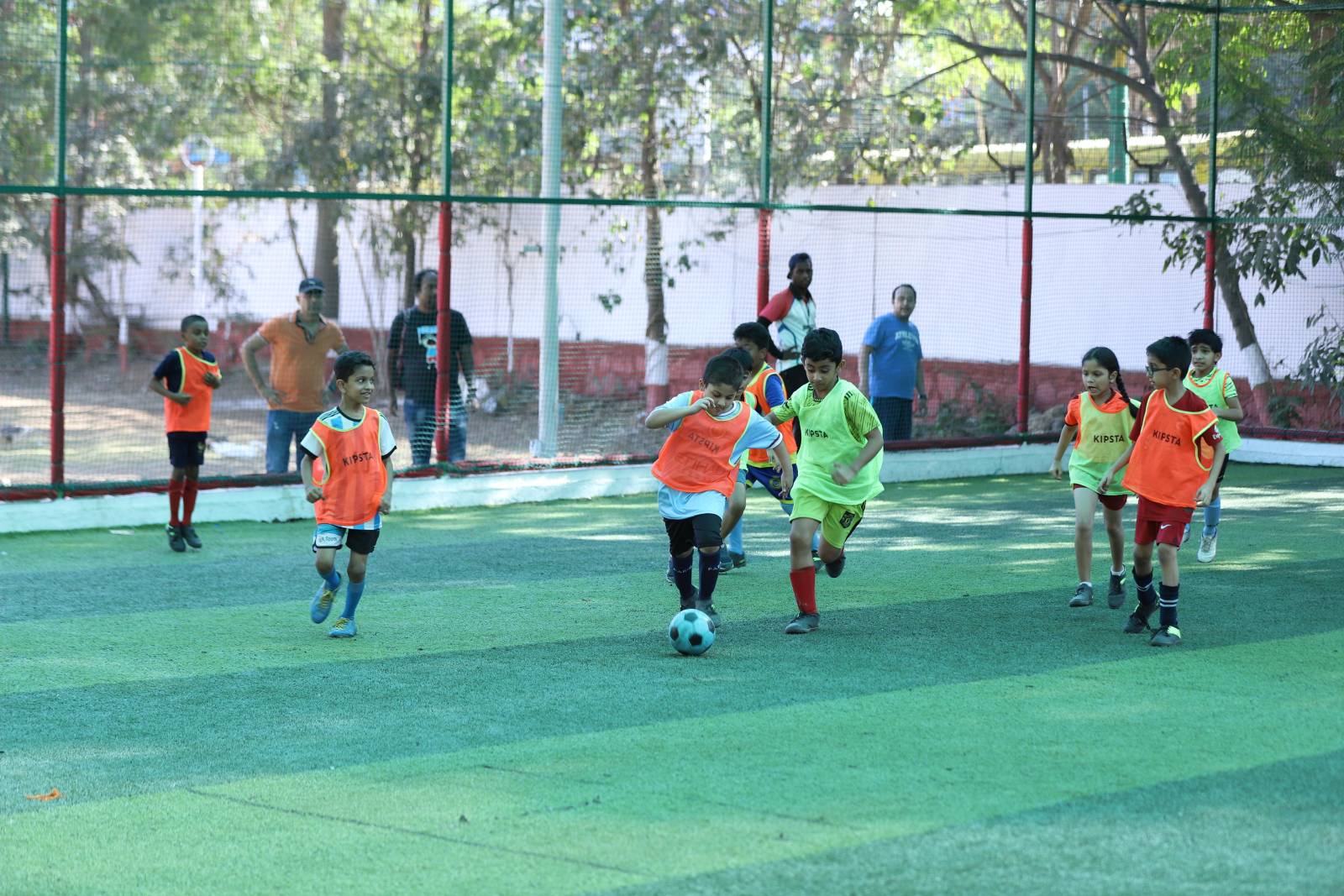
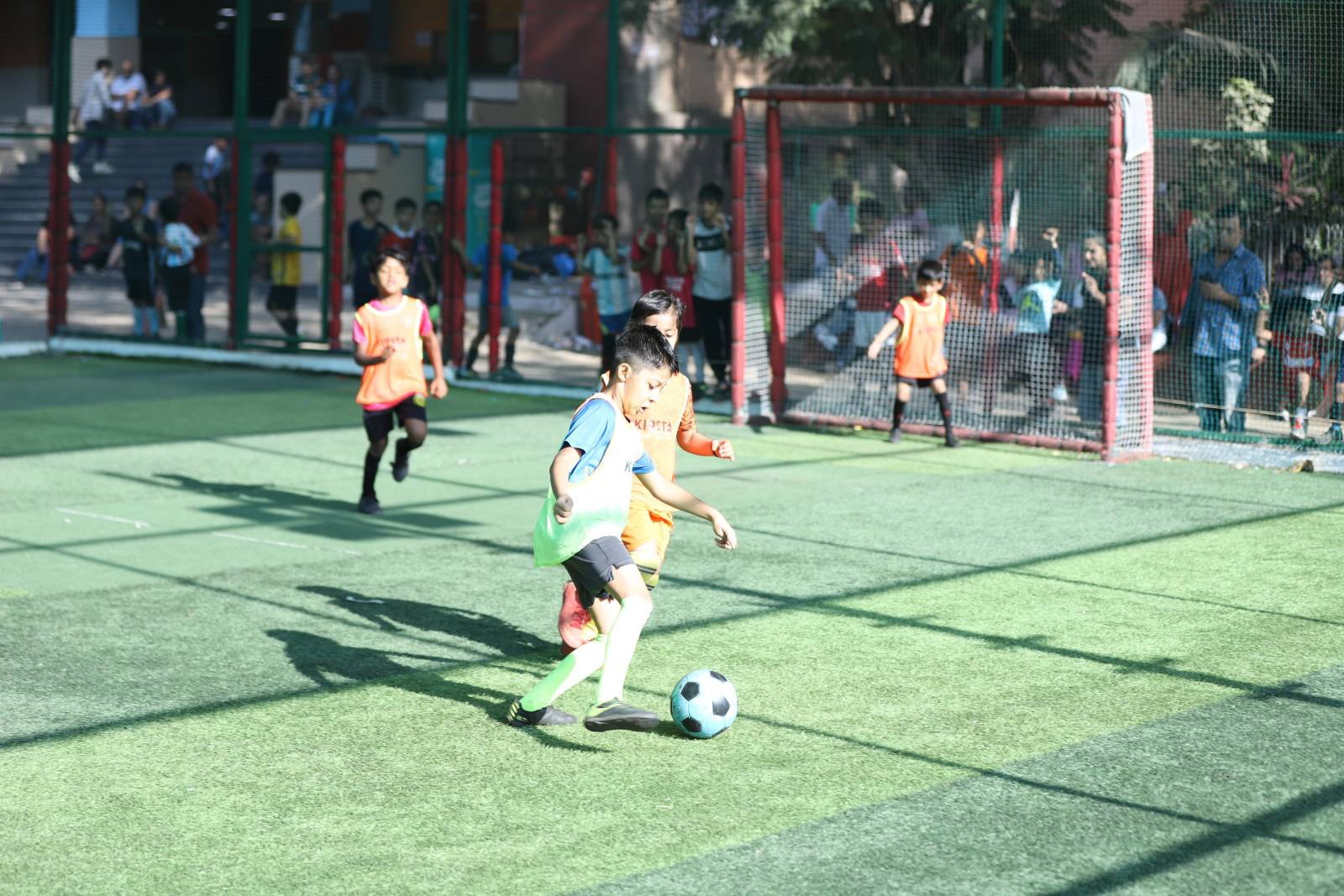
I was sitting with a group of four-year-olds and their parents, watching a football match. Not a real match but, a very real one to them. Tiny tots in oversized, colourful jerseys. Numbers printed boldly on backs that still struggled to stay upright. One boy, proudly wearing number 7, was almost on the roof with excitement. “See!” he shouted. “I am Ronaldo!” Another insisted he was Messi. He had shorter strides and intense seriousness. A third, wearing number 10, declared that his dad called him Neymar . To prove himself worthy , he attempted a fancy move before promptly falling over. There was even a little Mbappé, sprinting at full speed with no clear sense of direction. All of them were visibly joyful .
The referee blew the whistle. The kids could barely kick the ball. Balance was still a work in progress. The goalkeeper , whose gloves were too big for his hands, kept tossing himself from one side to the other, preparing to defend the goal long before the ball came anywhere near him. On the sidelines, parents called out excitedly not their children’s names but the names of legends. “Pass it, Messi!” “Come on, Ronaldo!” “Well done, Neymar!” Some shouted out to encourage, others spoke with pride. Some are on a video call with grandparents on the other end. Parents with phones raised, recording moments meant to be remembered. The match had an interval. There was Applause . High-fives. Photos. A quiet sense of achievement. And then came the comments. And advices.
“Ronaldo, today wasn’t your day, man.” “Messi, that wasn’t your style.” “Neymar, you should have taken the shot.” Along with that, there were,” Come on , Focus, Little Champ, Eyes Up. It was said lightly. Almost playfully. No harm intended.
After a short break, the children went back onto the ground. And something had shifted. They were louder. More aggressive. Less forgiving. A few pushed deliberately. One or two hit back. The game had changed its tone. The coach intervened. A couple of boys were called aside and withdrawn from the match. Everyone noticed the misbehaviour. Heads shook. Labels formed quickly.
Not long ago, many of us watched a teenager on a popular television show and rushed to describe him as rude, arrogant, and entitled. Social media had opinions that were sharp and absolute. I couldn’t help but wonder: At what point did we stop allowing the kids to simply be themselves? When did this fun play turn into a performance? When did admiration quietly become expectation? When did children stop being four and start being someone else?
Perhaps without realising it, we as schools and parents have begun placing adult ambitions, comparisons, and borrowed identities onto very young shoulders. Society applauds it. We normalise it. And children carry it awkwardly, earnestly, quietly.
They are still learning to balance. Still learning to fall. Still learning who they are. Maybe what they need most is not a famous name to live up to, or a jersey to grow into, but an honest, simple space.