The First Lesson in Leadership Begins with Empathy
SINGHANIA SCHOOL
The First Lesson in Leadership Begins with Empathy
The first lesson in leadership. There is a kind of leadership that begins long before a child knows what the word means. It begins in the way a parent looks at their child.
Not by asking, “Why cannot my child be like everyone else?” But by asking, “What does my child need to feel comfortable, confident and fully themselves?” I was reminded of this recently while travelling.
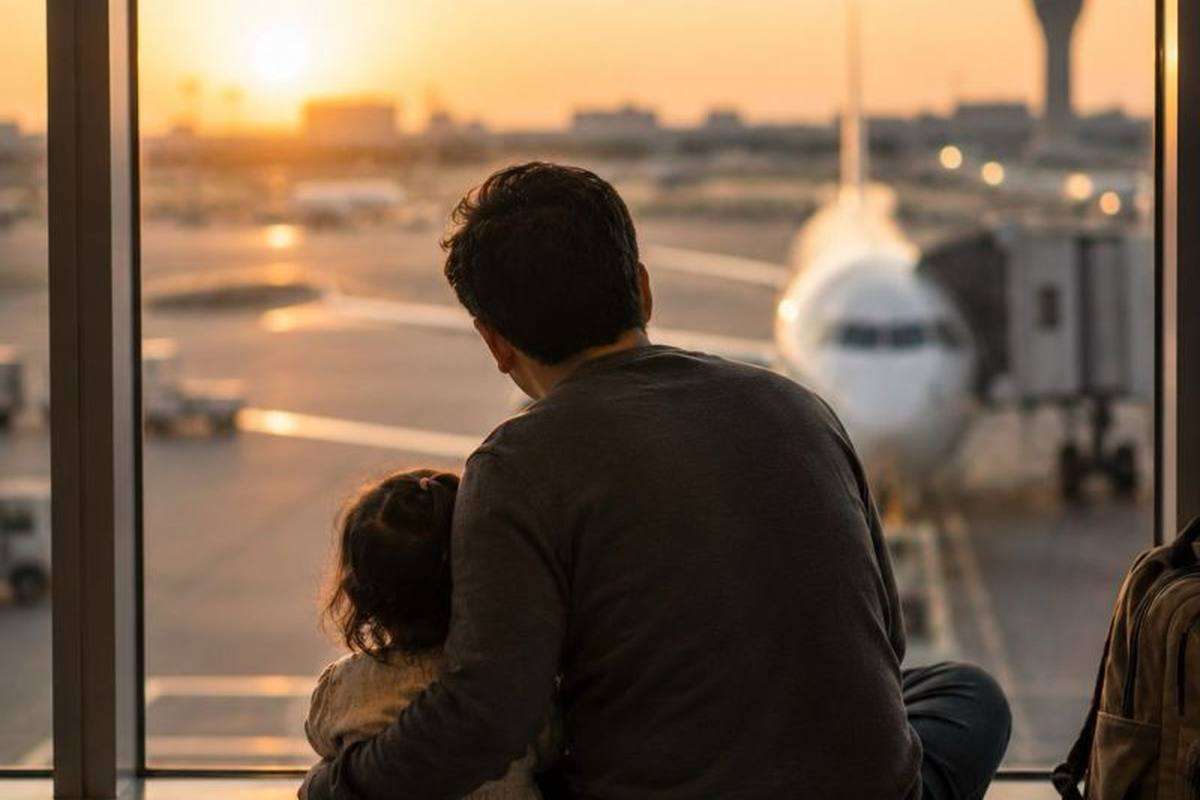
At the airport, I noticed a little girl walking hand in hand with her father. They went into almost every chocolate store in the terminal. Her father finally picked up a pack of cookies, held her hand, and walked back towards the gate.
She was making a few high-pitched sounds. People turned around to look. Her father did not seem bothered. She was about four. She communicated differently, responded differently, and seemed to experience the busy, noisy airport in her own way.
What struck me was how naturally her father handled it. There was no attempt to make her behave like everyone else. No visible embarrassment. No impatience. When she did not want the middle seat on the plane, he simply rearranged the seats.
When the journey became overwhelming, and she grew restless, he held her close. He stayed with her until she was comfortable again. That stayed with me. We often talk about leadership as something children learn through lessons, activities, competitions or courses. But I think some of the first lessons happen much earlier, at home, through what children see around them. A child watches how a parent responds when someone is different.
They learn that people do not always communicate in the same way. That some people need more time. That some need more help. That fairness does not always mean giving everyone exactly the same thing. They also learn something important about belonging. You do not have to change who you are to be accepted. You do not have to behave like everyone else to be given the same respect. And making space for someone is not doing them a favour. It is simply being part of a community where everyone gets to participate.
These are small things. But children notice them. They learn empathy by watching it. They learn patience by experiencing it. They learn adaptability when the adults around them are willing to adapt. And slowly, they learn to notice who may be struggling, who may be left out, and who may need someone to make a little space for them. The little girl who was seated next to me on the aircraft may grow up to be a natural leader. She is growing up with parents who have made her world a little more welcoming. A world where she is accepted, understood, and trusted.
That, to me, is a powerful foundation for leadership. The first lessons do not come from a textbook. They come from watching the adults around us. We do not have to ask people to earn belonging by becoming like everyone else. Sometimes, leadership simply means noticing someone and making room.